Photo: Rabax63, CC BY-SA 4.0, via Wikimedia Commons
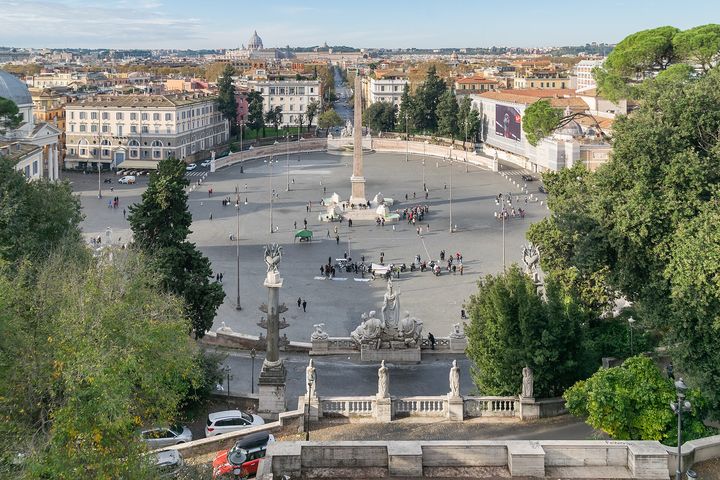
Beyond the famous sights, the historic centre of Rome holds the Ara Pacis, the marble altar of peace completed for the emperor Augustus in 9 BC; the Mausoleum of Augustus beside it; and six paintings by Caravaggio that hang in three churches and cost nothing to see. All are within fifteen minutes' walk of one another in Campo Marzio and around Piazza Navona.
Is the Ara Pacis worth visiting?
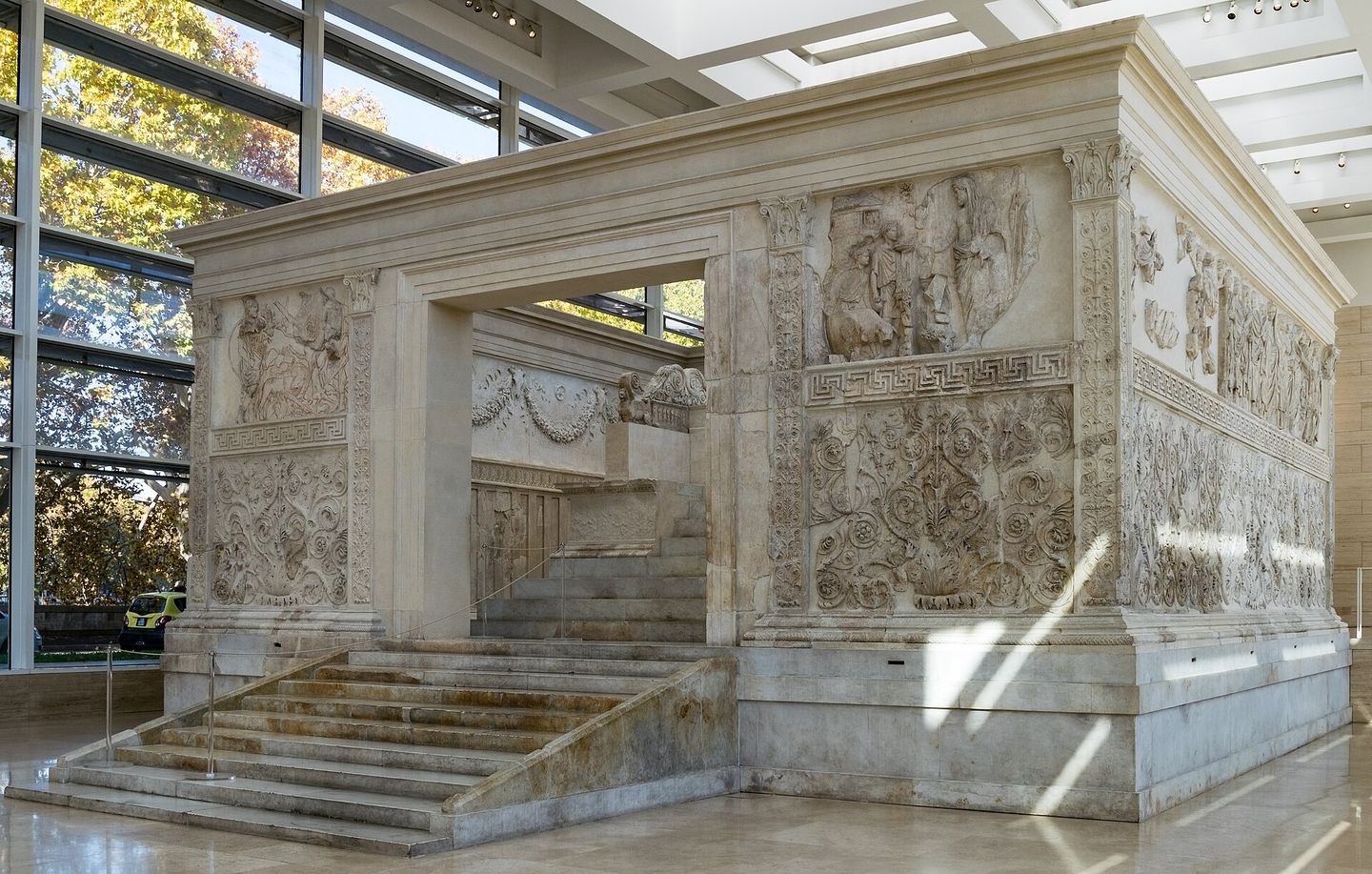
Yes, and it rarely has a queue. The Ara Pacis Augustae was commissioned by the Roman Senate in 13 BC to mark Augustus's return from Spain and Gaul, and dedicated in 9 BC. Its carved processions show the imperial family, children tugging at togas included, with a tenderness you do not expect from official art.
The altar stands inside a museum of glass and travertine by the American architect Richard Meier, opened in 2006. Go in the late afternoon, when the light comes low across the marble. Allow 45 minutes.
Can you visit the Mausoleum of Augustus?
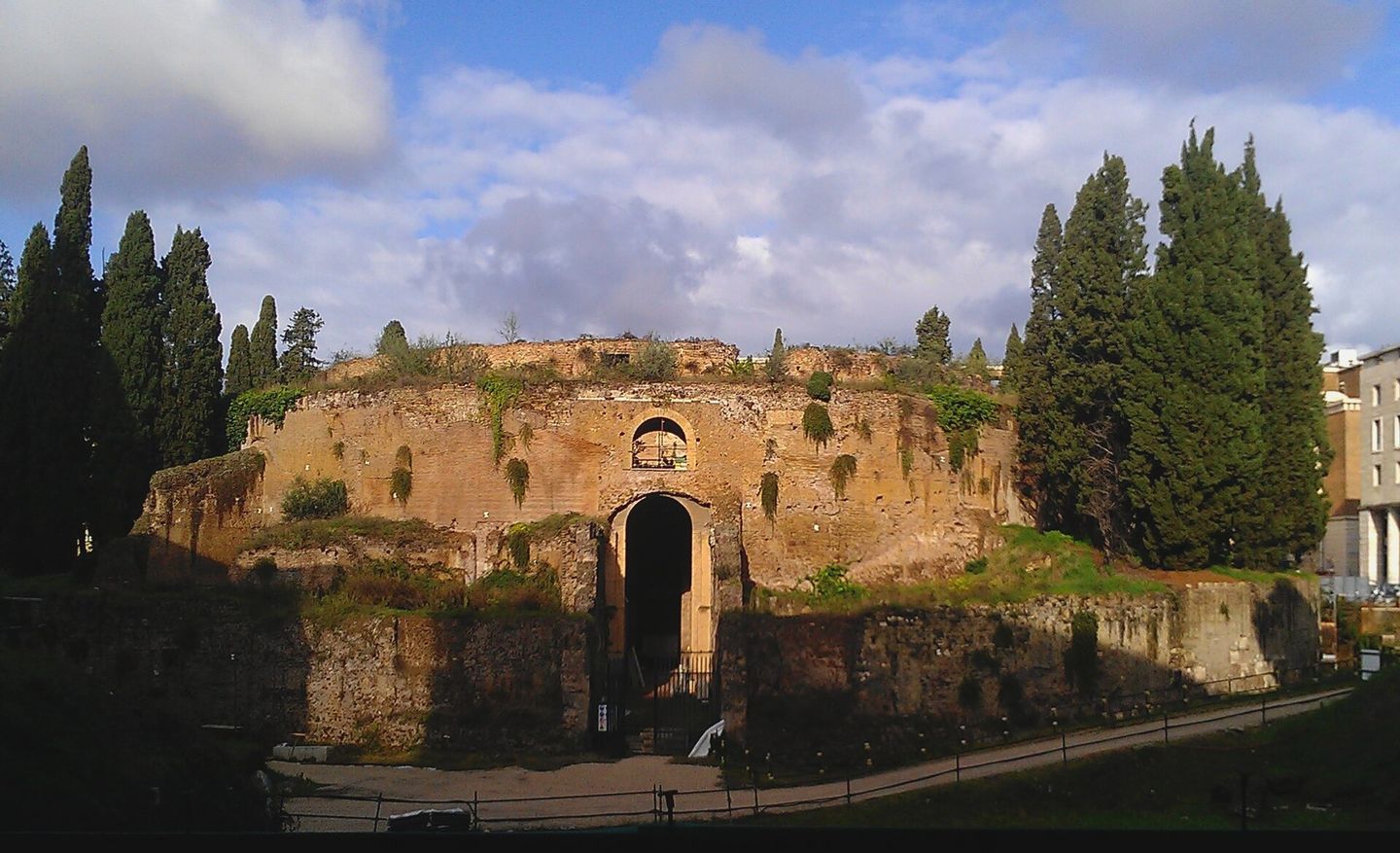
Not inside, for now. The great circular tomb that Augustus began in 28 BC is in the final phase of a long restoration and is expected to reopen as a museum at the end of 2026. Check before you go.
What you can enjoy already is the new Piazza Augusto Imperatore around it, opened in June 2025, where travertine ramps lead down to the ancient ground level and the monument finally has room to be seen.
Where can you see Caravaggio for free?
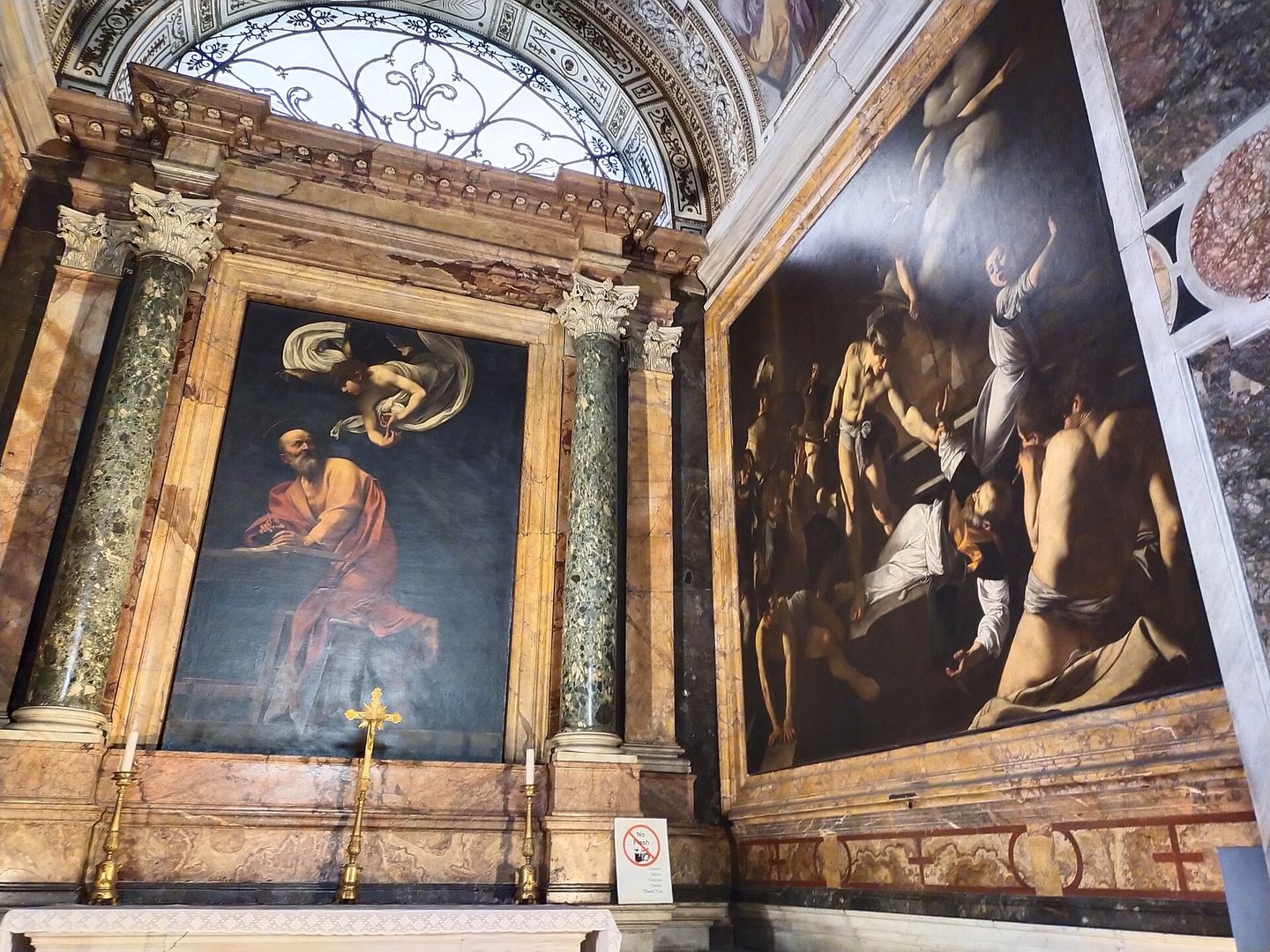
In three churches, six paintings, all still in the chapels they were painted for:
| Church | Paintings | Where |
|---|---|---|
| San Luigi dei Francesi | The Calling, the Inspiration and the Martyrdom of St Matthew (1599 to 1602) | Contarelli Chapel, between Piazza Navona and the Pantheon |
| Sant'Agostino | The Madonna of Loreto, also called the Madonna of the Pilgrims | First chapel on the left, two minutes from San Luigi |
| Santa Maria del Popolo | The Crucifixion of St Peter and the Conversion on the Way to Damascus (1600 to 1601) | Cerasi Chapel, on Piazza del Popolo |
Bring a few coins for the light boxes, and avoid the early afternoon, when the churches usually close for a few hours.
What else is close by?
Two museums that visitors often walk past. Palazzo Altemps, just north of Piazza Navona, shows ancient sculpture in a Renaissance palace. The Galleria Doria Pamphilj, on Via del Corso, is a princely family's private collection, still in the family's palace, with Velázquez's portrait of Pope Innocent X and two early Caravaggios.