Photo: Popo le Chien, CC BY-SA 3.0, via Wikimedia Commons
Locals in Rome's historic centre eat at long-established trattorias in the side streets rather than on the main squares: Armando al Pantheon, Matricianella and La Campana are three that Romans have filled for generations. All three are within ten minutes' walk of each other between the Pantheon and the Spanish Steps, and all need booking.
How to avoid a tourist trap
- Walk past anyone inviting you in from the pavement.
- Be wary of photographs of the food, or a menu in six languages.
- Choose the side street over the piazza with the view.
- Look for a short menu that changes with the season.
Which restaurants do Romans go to?
| Restaurant | Address | Go for |
|---|---|---|
| Armando al Pantheon | Salita dei Crescenzi 31 | Family-run since 1961, a few steps from the Pantheon. Book well ahead. |
| Matricianella | Via del Leone 4 | Roman classics and excellent fried starters, in the heart of Campo Marzio. |
| La Campana | Vicolo della Campana 18 | Recorded since 1518 and often called the oldest restaurant in Rome. |
| Dal Bolognese | Piazza del Popolo 1 | Fresh pasta in the Bolognese tradition, with a terrace on the square. |
| Ristorante Nino | Via Borgognona 11 | Tuscan cooking near the Spanish Steps since 1934. |
| Il Gabriello | Via Vittoria 51 | A cellar dining room, quietly popular with the neighbourhood. |
| Emma | Via del Monte della Farina 28 | Thin Roman-style pizza near Campo de' Fiori. |
| PizzaRé | Via di Ripetta 14 | Neapolitan-style pizza near Piazza del Popolo. |
Opening days change, and many restaurants close one day a week and for part of August. Check and reserve before you go.
What should you order?
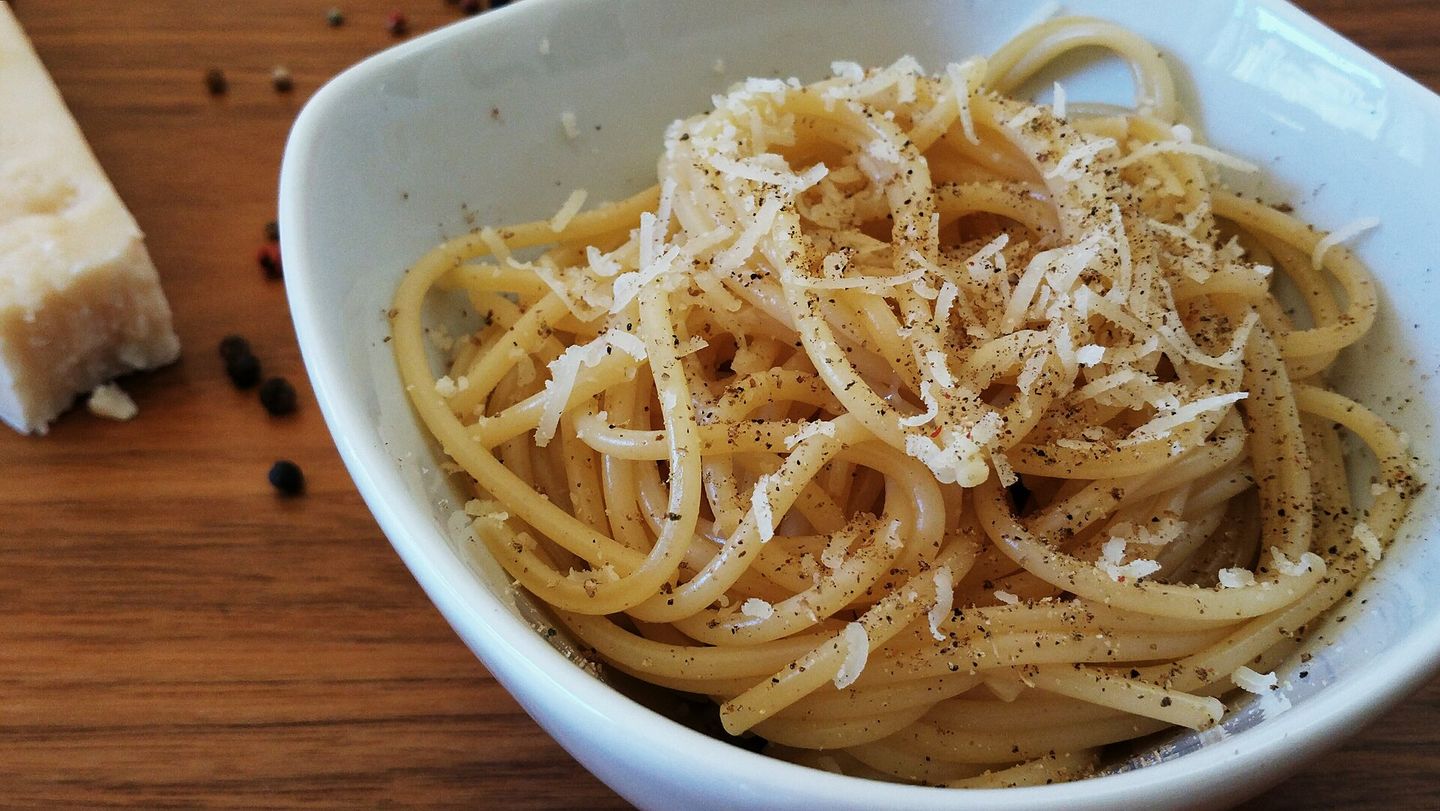
Rome has four great pasta dishes and they are all on these menus: cacio e pepe, with pecorino and black pepper; gricia, which adds cured pork cheek; carbonara, which adds egg; and amatriciana, which adds tomato. Order one each and share.
Beyond pasta, look for artichokes, either braised alla romana or fried alla giudia, in late winter and spring; saltimbocca; and a plate of fried things to begin, including the rice croquettes called supplì.
When do Romans eat?
Lunch is from about one o'clock and dinner from eight or half past. A table at seven will be easy to find and full of visitors; a table at nine will be harder to get and far more Roman.
Sources
- Restaurant details change. Please confirm opening days and addresses directly with each restaurant before you go.